We documented the consequences of the coronavirus pandemic and then first lockdown in the German Capital between march and may 2020.


Ongoing Project
Due the worldwide spread of the virus Covid-19, Germany decided the lockdown on March 22. Unlike other European countries, the largest part of Germany has so far stopped short of ordering its over 80 million population to remain at home — instead opting for strict social distancing measures which were issued, allowing citizens to leave the house in groups of maximum two persons maintaining 1,5 meters of distance.
We are documenting the consequences of the lockdown in the German Capital.

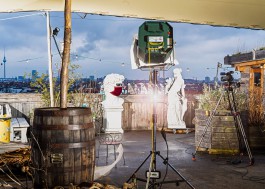
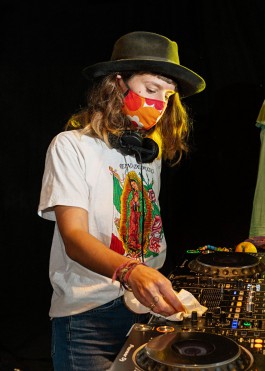
Since clubs are closed many are now streaming their shows online. Here: At Klunkerkranich in Neukölln.

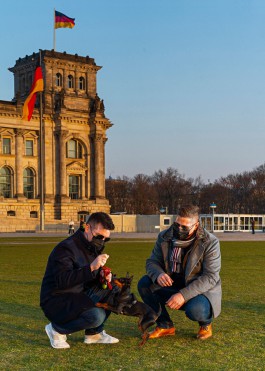
Two men from Berlin-Schöneberg playing with their dog in front of the Reichstag.

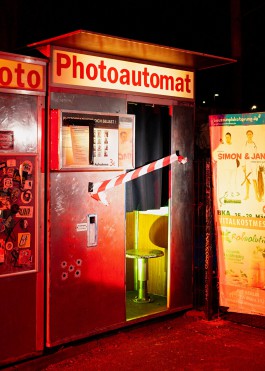
Closed down Photo Cab on "Warschauer Straße" in Berlin-Friedrichshain, in "normal" times a hotspot for party tourists.

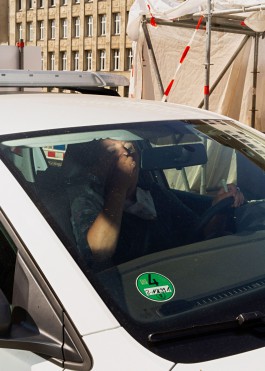
Covid-19 Test station in Berlin Neukölln.

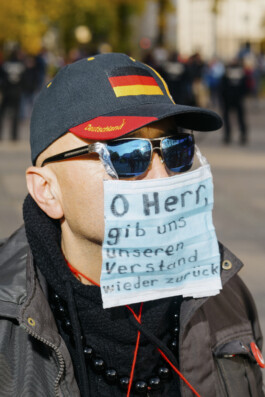
Citizen during a protest against the covid-19 measures of the government in Berlin Mitte.

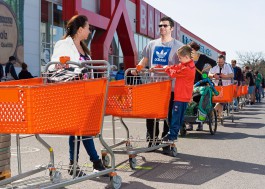
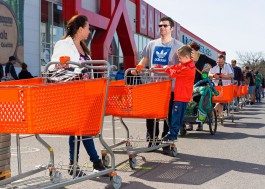
Clients queing at a Hardware Store in Berlin Treptow.

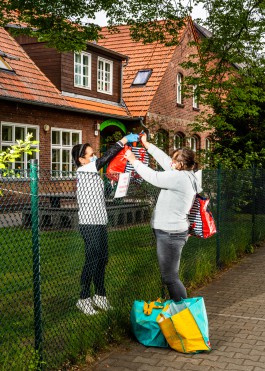
Due to the current situation, all facilities for open child and youth work have been closed since mid-March, including “Jona’s Haus” in Berlin-Staaken. Normally, the house is open 365 days a year for children and young people from Spandau's hot spots. But now, because of the Corona crisis, not only are all the help and leisure activities for the children no longer available, but also the regular school and kindergarten meals. Some families are at risk of losing their jobs. In turn, inexpensive food can hardly be found in many shops. The Jona Foundation wants to help here and donates groceries to those in need every day.
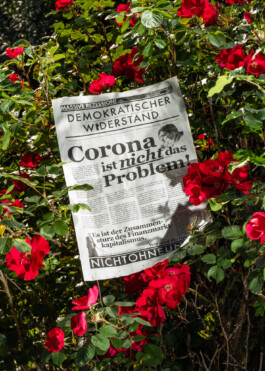
Newspaper by the self-appointed "democratic resistance" with the title "Corona is not the problem"

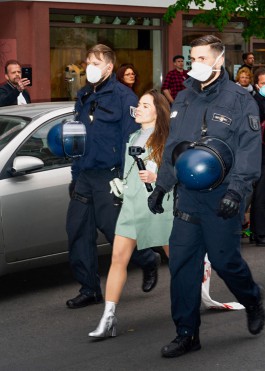
Protester during the May Day protests in Berlin Kreuzberg. Around a thousand people had ignored a ban on groups of more than 20 to gather in Berlin to mark the annual holiday for workers' rights.

Cameron Carpenter giving a concert at a retirement home in Berlin Lichtenberg.


Protester during a protest against the Covid-19 measures in Berlin Mitte.

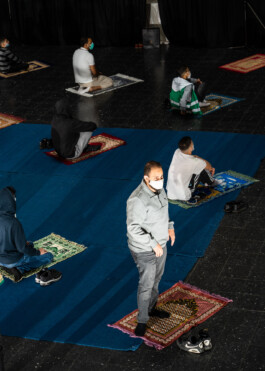
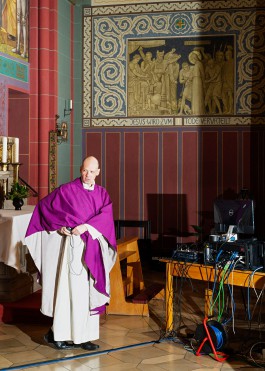
Priest Matthias Goy shortly before the start of the stream of his service, in the St. Joseph Church in Wedding.

The Berlin-Tegel Airport has 95% less departures and approaches than before the corona crisis.

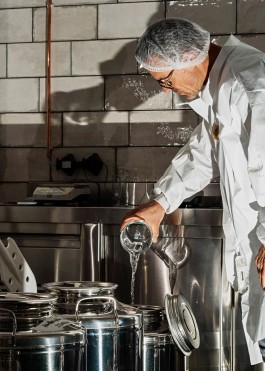
The "Deutsche Spirituosen Manufaktur" normally produces high-quality schnapps. In the face of the Corona crisis, the company had to improvise: Because of the abscence of new orders - after all, the bars and restaurants were closed all over the country - the existing alcohol stocks are used to produce disinfectants.

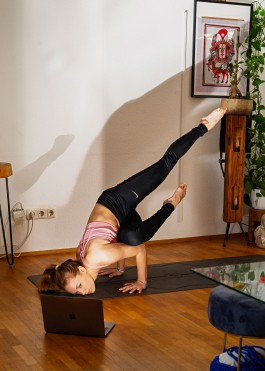
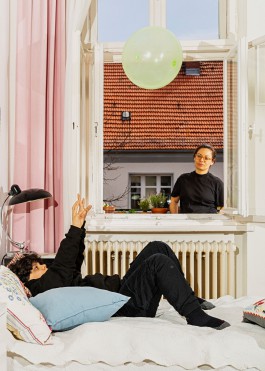
Marina gives Online-Yoga-Lessons in her room in Prenzlauerberg.

A guard walking through the empty holocaust memorial. In normal times there is an average of 1.300 visitors per day.

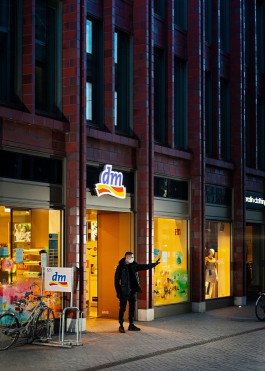
Security guard in front of a Drugstore in Mitte.

Stefanie and her son Arthur in their apartment in Berlin-Neukölln. With Corona spreading over Germany all schools have been closing for several weeks. Stefanie is currently working from home and spending more time than ever with her son.
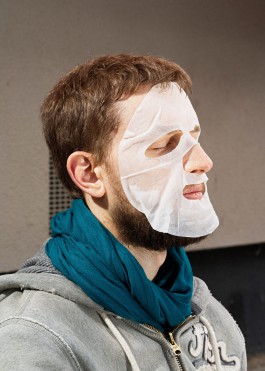
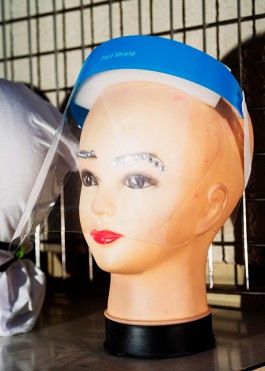
Faceshield sold in a small shop in the district of Neukölln.

Protester during the May Day protests in Berlin Kreuzberg. Around a thousand people had ignored a ban on groups of more than 20 to gather in Berlin to mark the annual holiday for workers' rights.

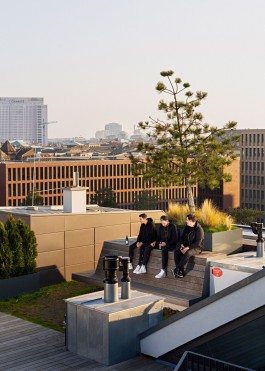
Three young men sitting and drinking on a terrace in Berlin-Mitte.

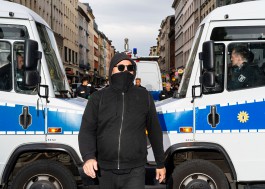
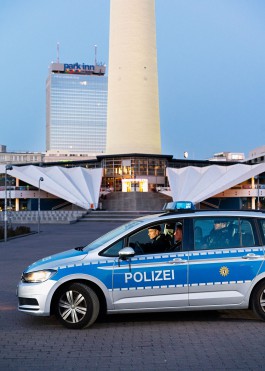
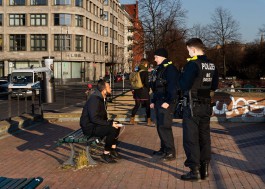
Police officers taking care that public places keep clear. Here: At Alexanderplatz.

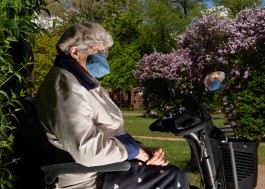
Resident of a retirement home in Berlin Lichtenberg. As the coronavirus is increasingly prevalent in German nursing homes, the government is separating seniors from the outside world, in order to prevent infections.

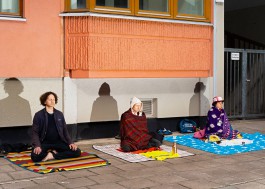
Citizens meditating during a protest against the covid-19 measures of the government in Berlin Mitte.

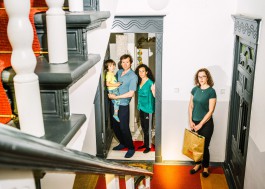
Spanish family living in Berlin. They just came back from Spain and have to spend the mandatory two weeks of quarantine at home. Their neighbour goes shopping for them.

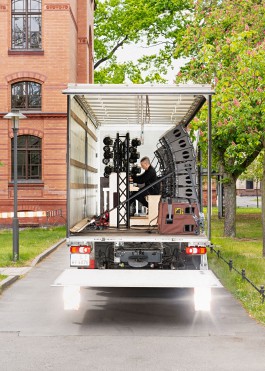
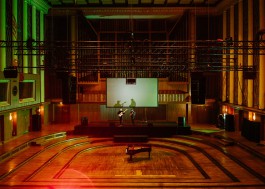
Berlin radio station "Radio Eins" initiated "Living room concerts" where bands stream a session. The band Lea Porcelain performed from Funkhaus Berlin.

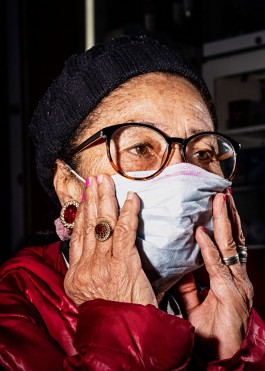
A woman in Neukölln, Hermannstraße. The government does not embrace the use of breathing masks, due to the shortage of supply and the demand for health institutions.

A group of youngsters smoking Shisha next to the canal in Neukölln.

The police is enforcing the social restrictions, sending people home. Here: In Kreuzberg.

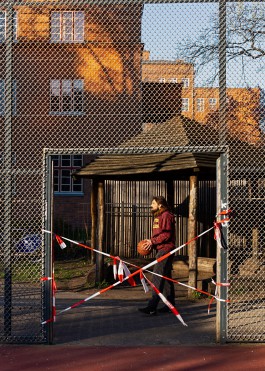
A man playing basketball outside a closed down football court in Kreuzberg.

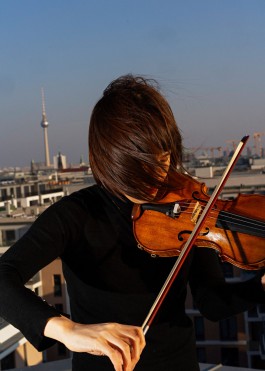
iyoon Lee, the 1st concertmaster of the Berlin Opera, plays for her neighbours on top of her appartment in Berlin-Mitte.

Closed down Bar in Neukölln.

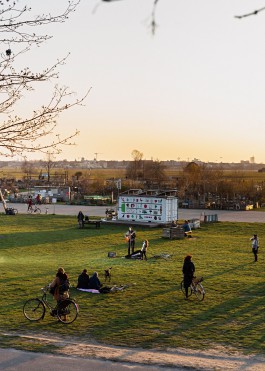
A musician is playing at the former airport Tempelhofer Feld, which is nowadays being used as a park. The spectators are keeping the advised 2m distance from each other.